Blog

  • Worms, Warming up!

    “There is this emptiness, like all of a sudden, all the stress, self-doubt, anxiety and fear have been leached from my being… there is a numbness, not quite an outer body experience, more reality-driven, stillness, where I am present, absent and off in my own little world at the same time. I felt alone, but in control; a deep connection to place.”

    There is something about farm life and the changing seasons. There are days where you want to shout it from the paddocks and others, well…

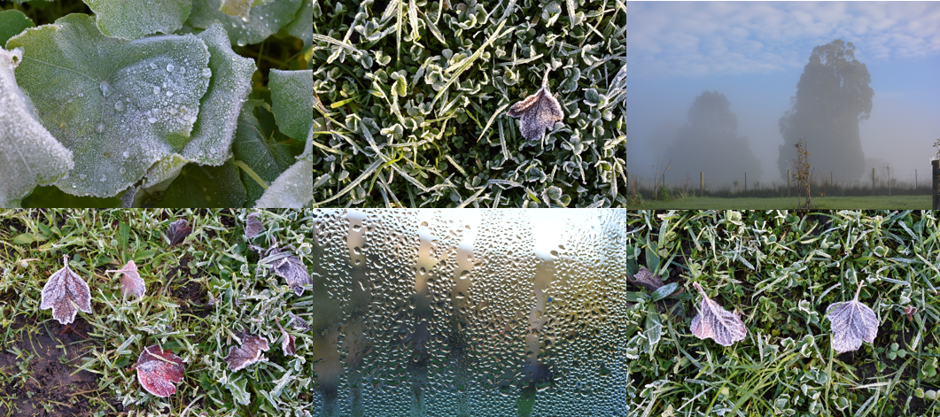
    After a wet, muddy, frosty and inconsistent winter, preparing for a strong start to spring remains omnipresent.

    With a list longer than my arm and an optimistic attitude to boot, I have decided to prioritise two of my inhabitants: worms and bees.

    WORMS

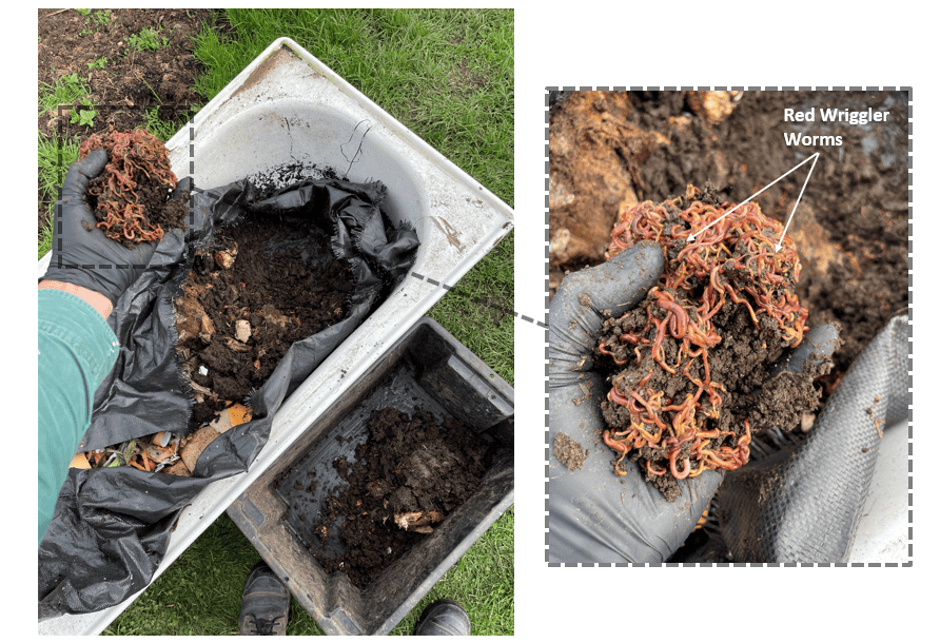
    There is a series of bathtubs which house my Red Wiggler worms (Eisenia fetida). These feisty, passionate, and strikingly sexy beings take to our kitchen scraps like a ten-year old kid devouring hotdogs at a baseball game!  

    Progressively over the last couple of years, these have grown from one to three, with a fourth in the works. Red Wigglers love a feed, eating half of their body weight in scraps and shoot it out the other end to produce earthy, and slightly pungent, worm castings.

    This is the perfect closed-looped system: scraps in; worm castings and tea out, perfect for my hungry citrus plants.

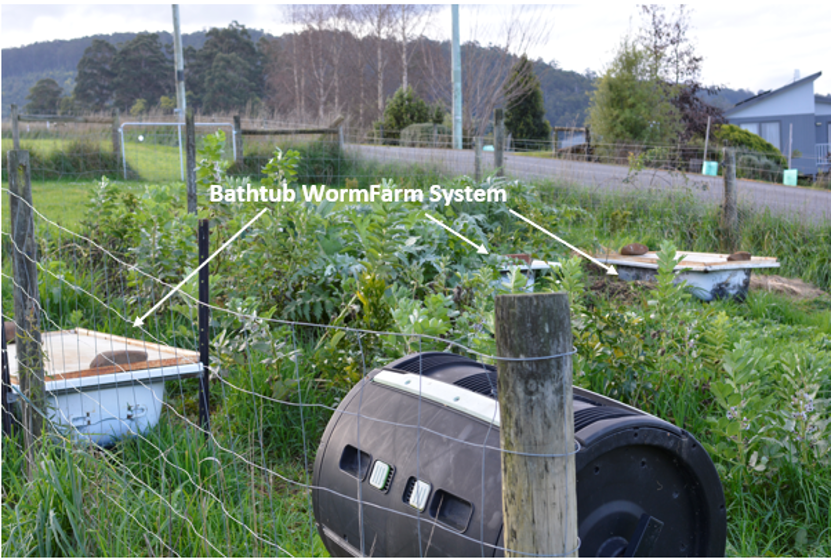
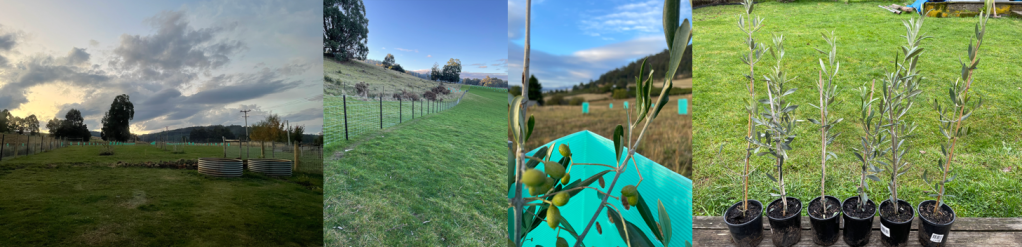
    The two images below highlight the density of worms and the location of these at Franklin Grange.

    RELAXING

    While farming is all about the work to make it functional, attractive to wildlife, a supermarket, and profittable venture, one must stop and enjoy their own creations.

    What was once barren land, is now progressing towards attracting birds, bees and insects.

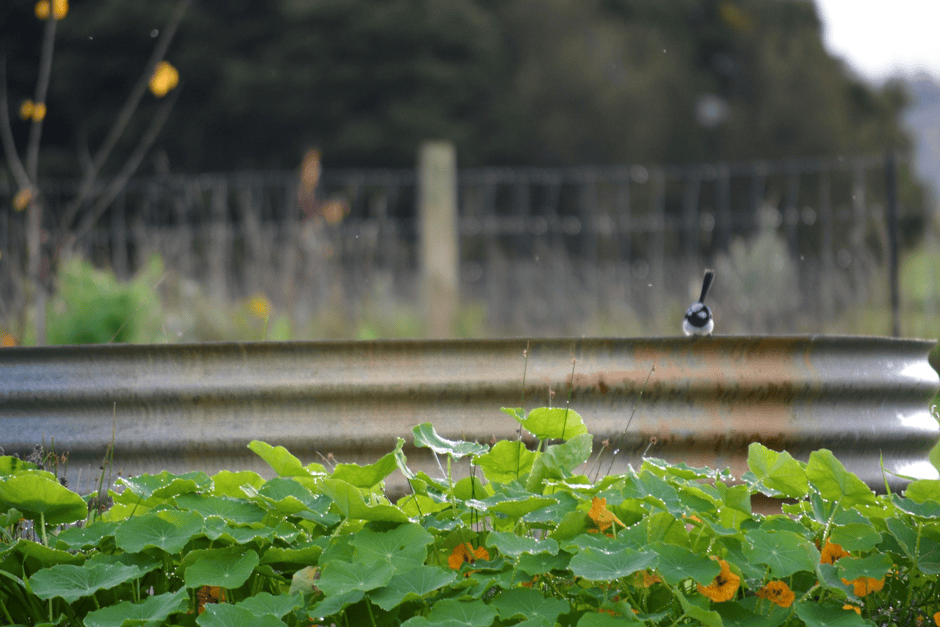
    The image below is one of my friendly birds, the Superb Fairywren (Malurus cyaneus). Perched on raised corrugated iron beds, he surveys the place for grub to eat in the Nastursium ground cover. He and his girlfriends like singing to me and hold no fear of me when in the garden, which is nice.  

    BEES

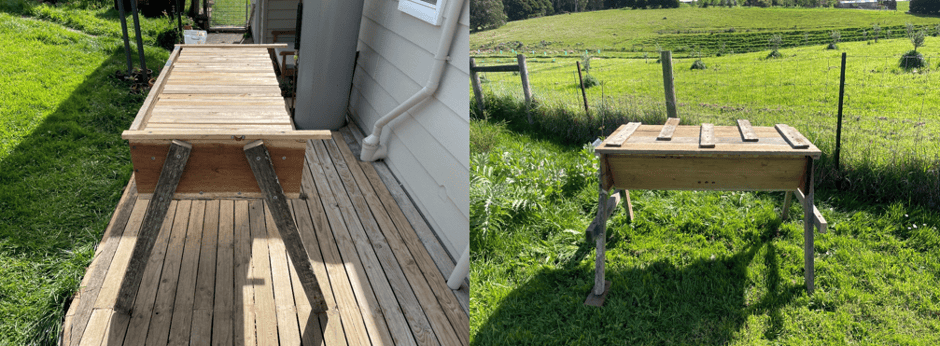
    This year for bee swarming season, I decided to try something new: a Kenyan Top Bar hive. However, I decided to challenge myself using the ‘Circular Economy Principles’ of: reclaim, reuse and repurpose.

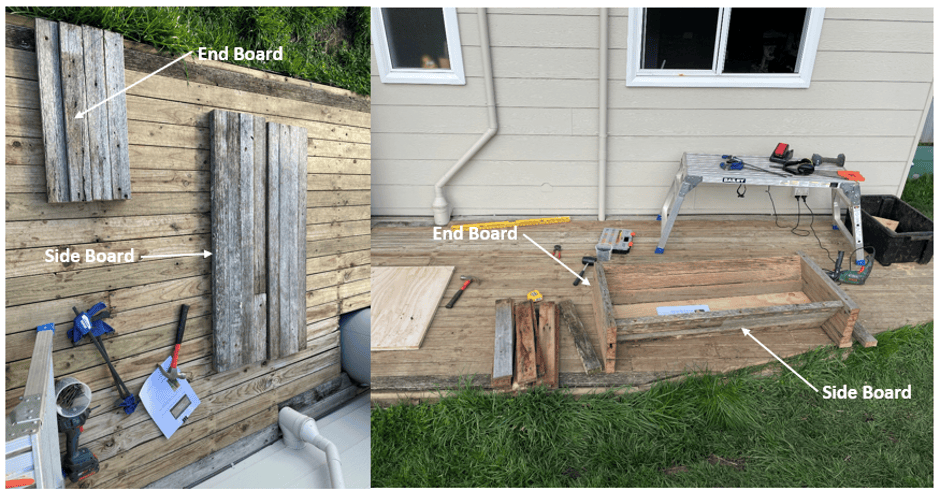
    With a selection of hardwood to use around the property, 4 x 2 and 3 x 2 were dominant. These were cleaned and sanded; while checking for any contaminants present.

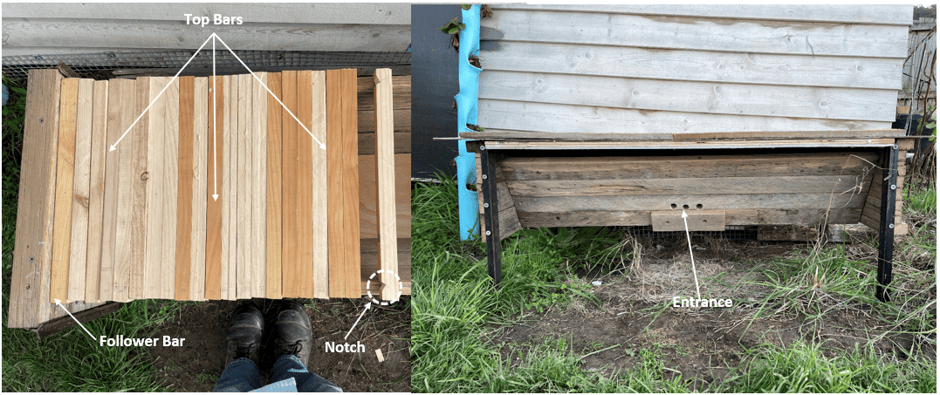
    To make the top bars, I milled pine legs from an old dining room table to 30mm x 30mm. For the legs, just some old, short star pickets; with the roof a combination of left over sheeting.  

    Other than some handles, the whole project was sourced from remnants, surpluses and hoarding from the property!

    The two images (one top, the other below) show a ‘raw’ start to finish and to be honest, it turned out better than expected.

    With the swarming season just a month or so away, I will add some lemongrass oil to attract and entice my friends to set up home.

    The forest garden has a good selection of fruit and nut trees finding their feet (they are two-years-old) and this year may prove to be a reliable crop!

    Deciduous in nature, they are a feeling exposed, naked, and truly rooting for spring! Here, they will say hello with an open for business sign needing little explanation.

    Their pungent stench, colourful floral array and range of insects and birds, will have this place humming (no pun intended) and I cannot wait!  

    My hope is that the curious bees will be looking to vacate their old crib; spring a queen from solitary, and convince thousands of mates to join the party.

    The old saying, “build it and they will come,” may transpire this spring, fingers crossed.

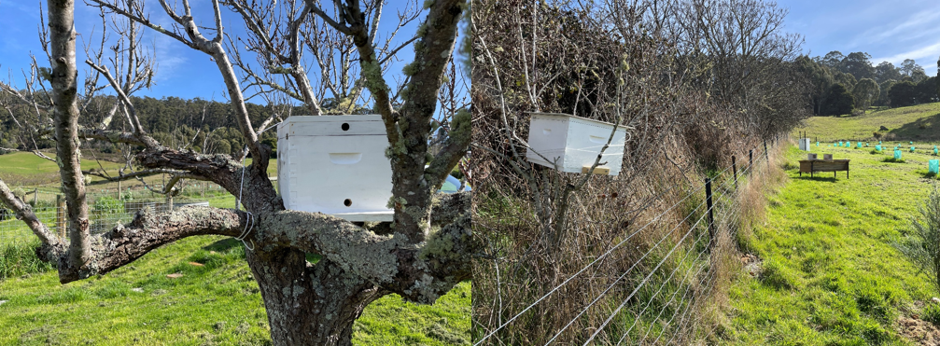
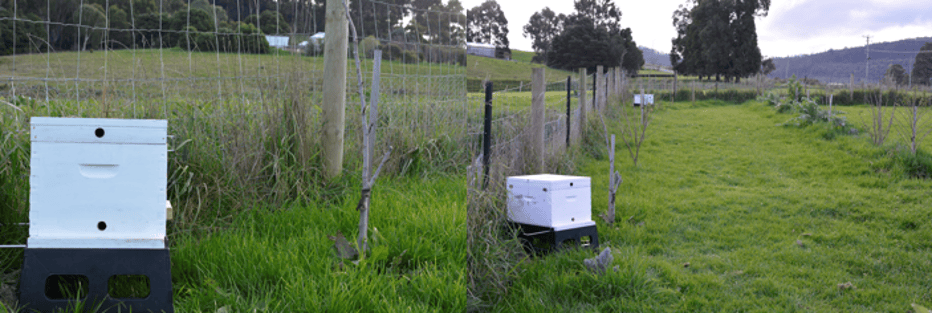
    For this to happen and be a success, two old Langstroth hives have been ‘retro-fitted’ to lure the intrepid explorers (see the above image).

    When ‘scout’ bees are fishing for new property, they want a big, vacant space to make their own. In order for this to be a reality, everything from side bars, wax frames and wire, were stripped out.

    This left the top bar and some popsicle sticks (for the bees to start their comb).

    While this is an experiment, I remain confident that these will entice a swarm or two over the season.

    When successful, I will build further Kenyan Top Bar hives to house these miscreants!

    SUNS OUT, GUNS OUT

    While still cold, there are signs the slumber party is over!

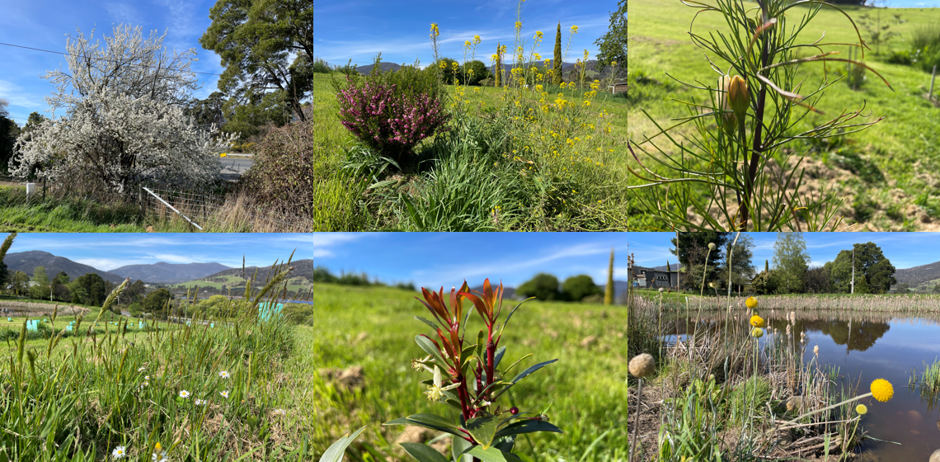
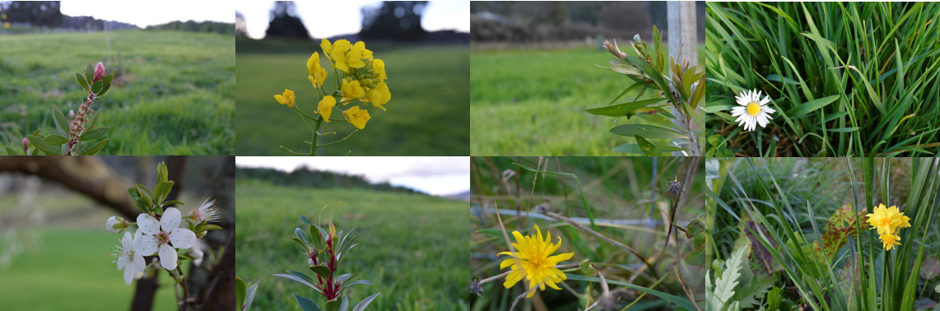
    From the natives, to fruit trees, to bulbs, to pioneer plants, everyone is saying “Hello!”

    When out traversing the property on my evening walk, I pay patronage to most of the >600 trees I have planted.

    The joy from observing the change in plants from day-to-day now that the days are getting longer is a real treat!

    As the picture above shows, even in the early stages of the season change, colour and a pungent, yet sweet smell is filling the paddocks with magic.

    OLIVE TREES

    Make no mistake about it, I love olive trees!

    Why? Hmm… they are majestic, evergreen, super attractive; offer food, fibre, apothecary, oil, symbiotic relationships, habitat, shade, wind breaks… they are truly awesome.

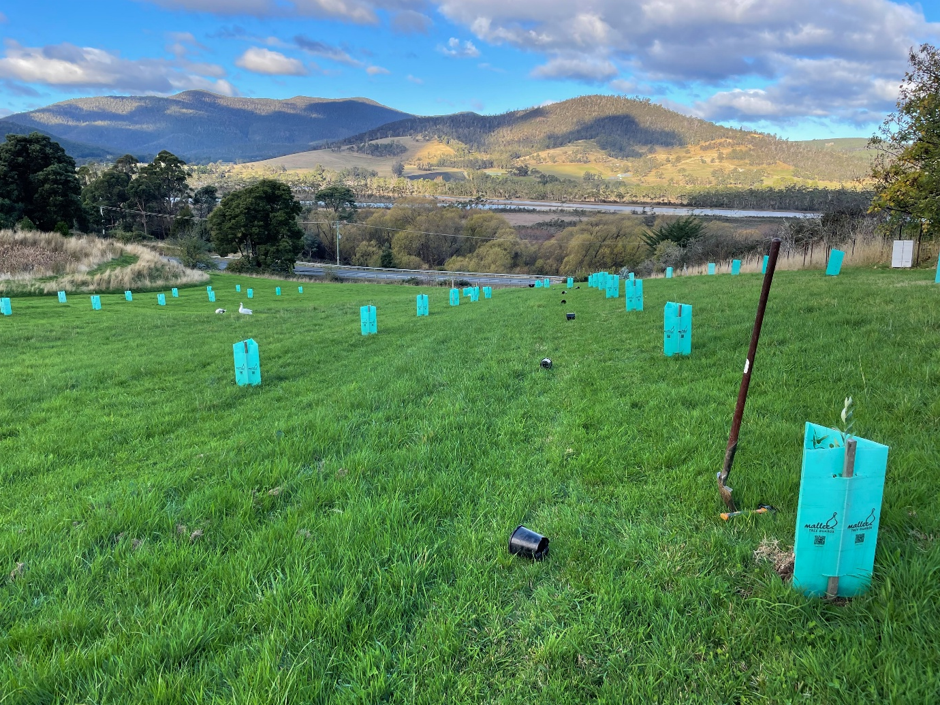
    After a winter blitzkrieg of planting, Franklin Grange is proud to welcome 100 new Manzanillo olive trees to compliment the 60 Frantoio and 40 Mission (and six extra we will call ‘muts’), which moves the orchard past the 200 mark.

    The incumbents (Frantoio and Mission), have decided to dominate (might be all the nutrients, lime, and organic matter I gave them – whoops), and like a teenager hitting puberty, have a growth spurt hitting overdrive.

    Over winter, I conducted a few experiments to see how the olive trees would react (more on these in a later post). Now that their ‘chill period’ is coming to an end, I have no doubt they will want to lose their winter coats, get in shape and produce some solid olives over the dry, warm summer we have coming thanks to uncle El Nino!

    It would be nice to press and pickle some olives – “Fingers crossed.”

    Over winter, I mapped the hydrology of the property to gain a greater understanding of areas suitable for planting more olive trees (like humans, they are not impressed with wet feet). There is the potential for another 250 olive trees to be planted which would make Franklin Grange a commercial producer of olive oil products and apothecary in our own unique way – “Watch this space!”

    GEESE

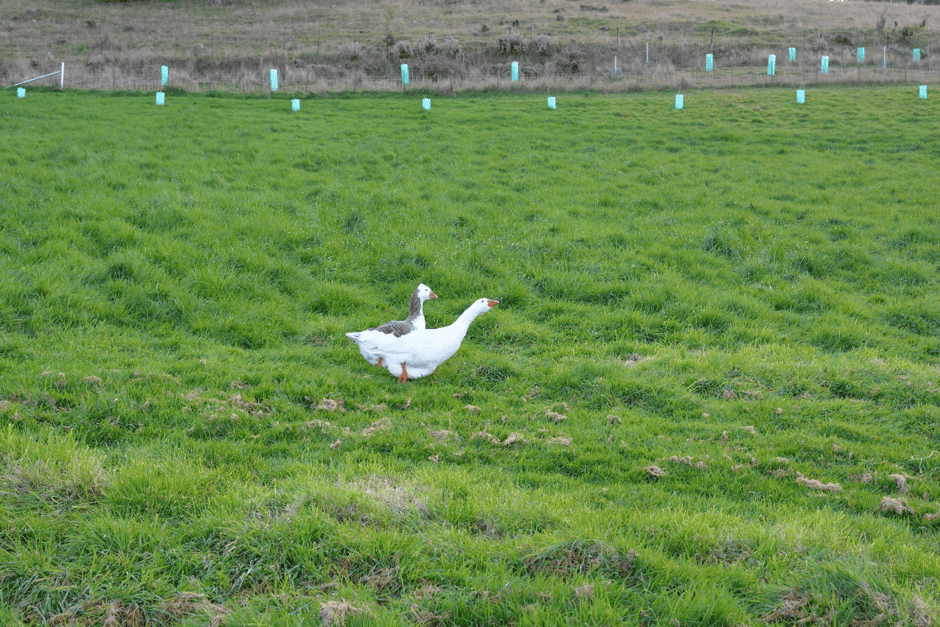
    The final word goes to George & Mildred, our two vocal, and strikingly gorgeous, residents.

    I was not certain on what language they were spouting, but I believe their words were something like… “Have a nice day and feed us apples!”

    Hmm… dubious at best. But they are delight to have as they always lighten my day and make me laugh.

    Have a great day,

    Lee.

  • “Habitat, bees, seed saving, planting…”

    The need to prioritise habitat and future income over feeding ourselves first was always omnipresent. Without habitat, sustainable farming and growing food becomes difficult. While the kitchen garden is evolving and >50 fruit and nut trees planted, plenty more work is required.

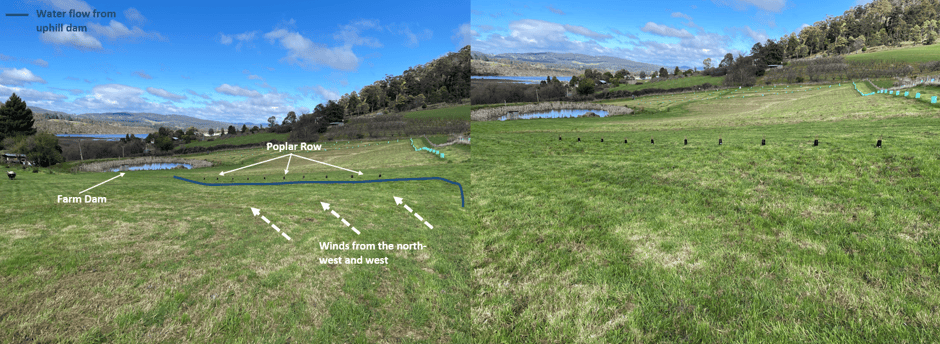
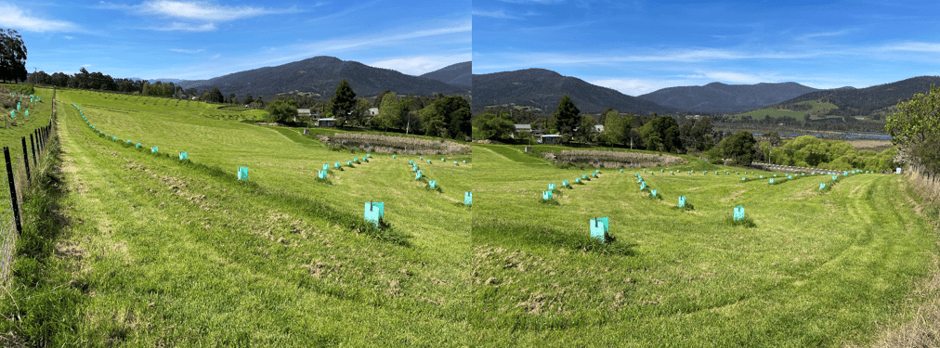
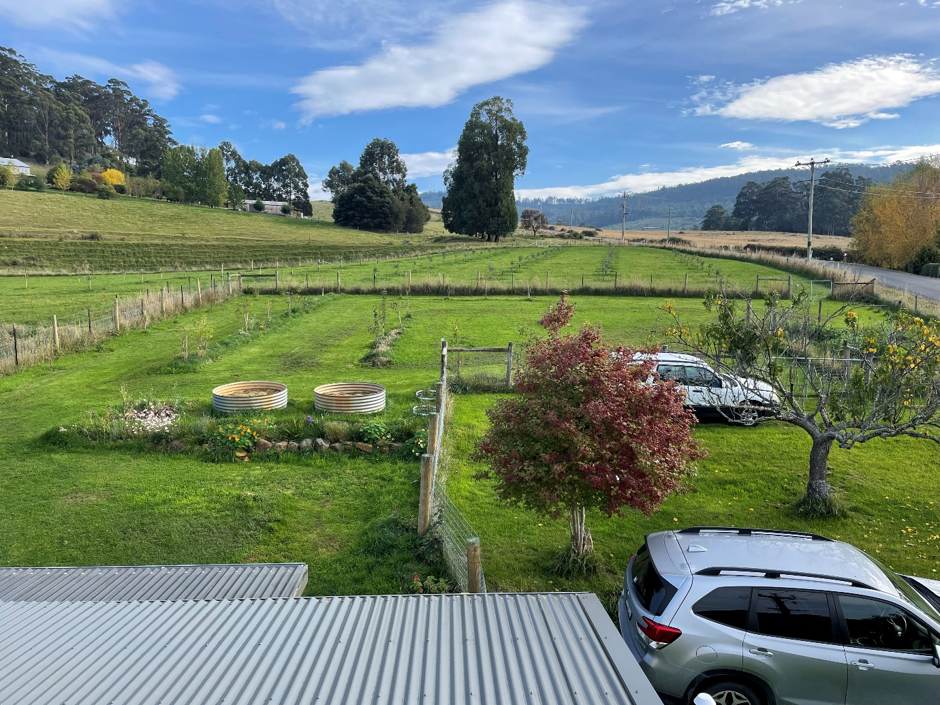
    While on the roof rescuing a stuck bird, I felt the need to show-off.  This happy snap of the olives (rows are eight-metres apart) follows the clouds deep into the photo, with the ever-evolving kitchen garden closest to the roof.

    The southern paddock was bare and lonely, the antidote: plant another 100-olive trees (Manzanillo) and see how they go. These have been planted to take advantage of the sloped area (olives don’t like wet feet).

    Last season this paddock was mowed and mulched to get the area to act as more of a sponge. We sit on clay-loam soil, so the more organic matter we can introduce, the better.

    While olive trees take years to fully mature and fruit, planting these now as an economic mechanism makes total sense.

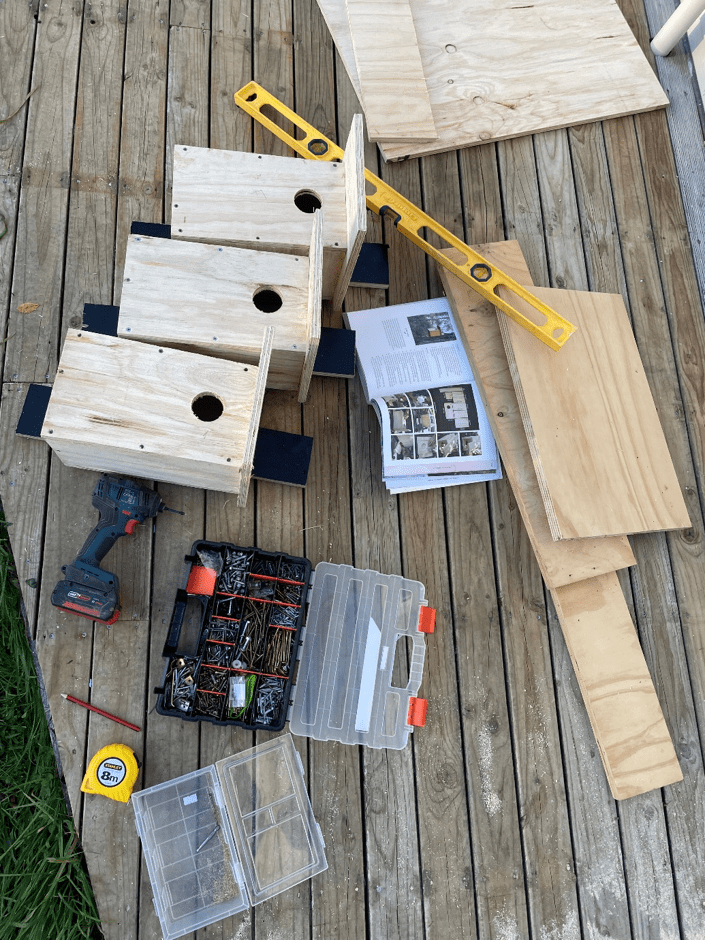
    While feeding ourselves and making the farm profitable, habitat is one of the first priorities for the farm. Without insects, birds, lizards, snakes, etc., there will be no biodiversity. I have a book on habitat by AB Bishop and decided to use some left-over exterior plywood to make some bird boxes, based off the same design used in the book. In the future, I will make more, but I will have to wait for the trees to grow.

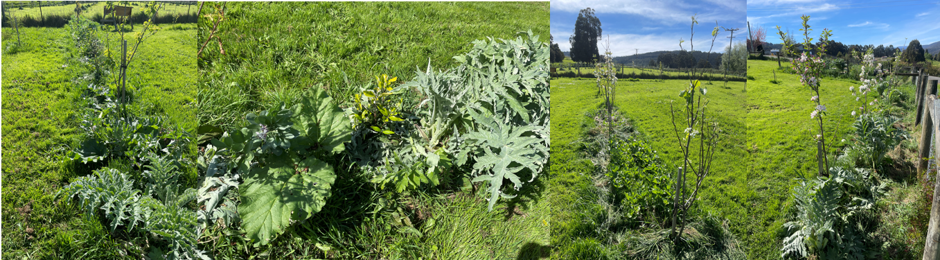
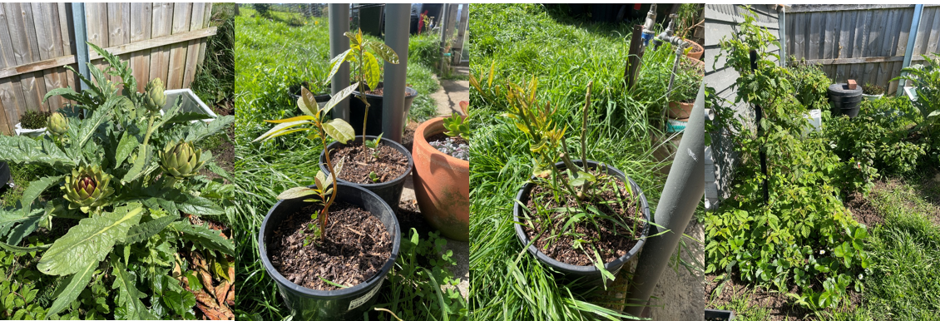
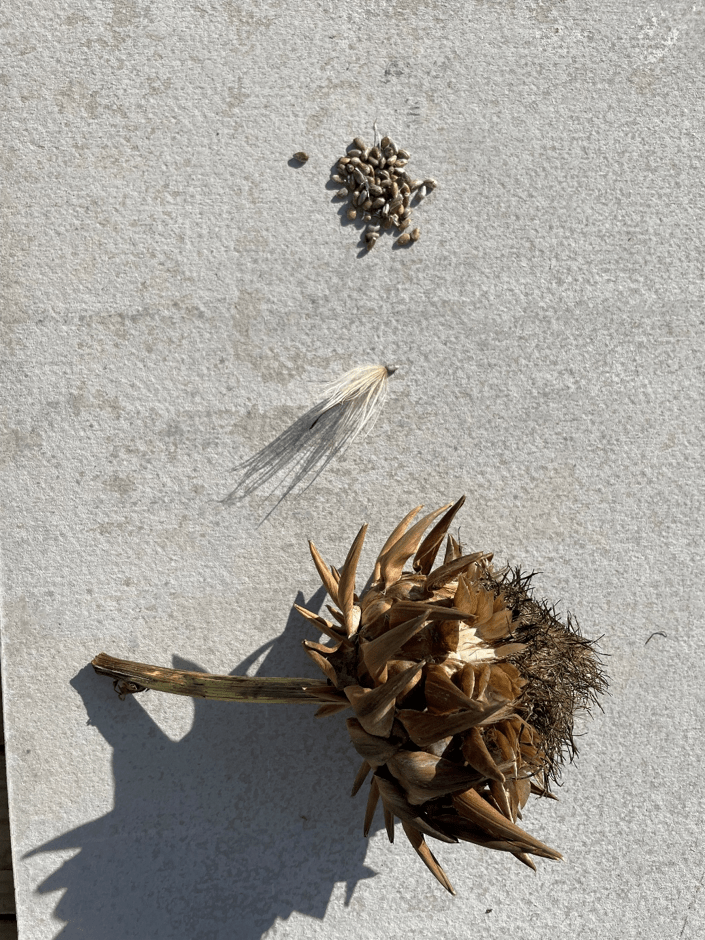
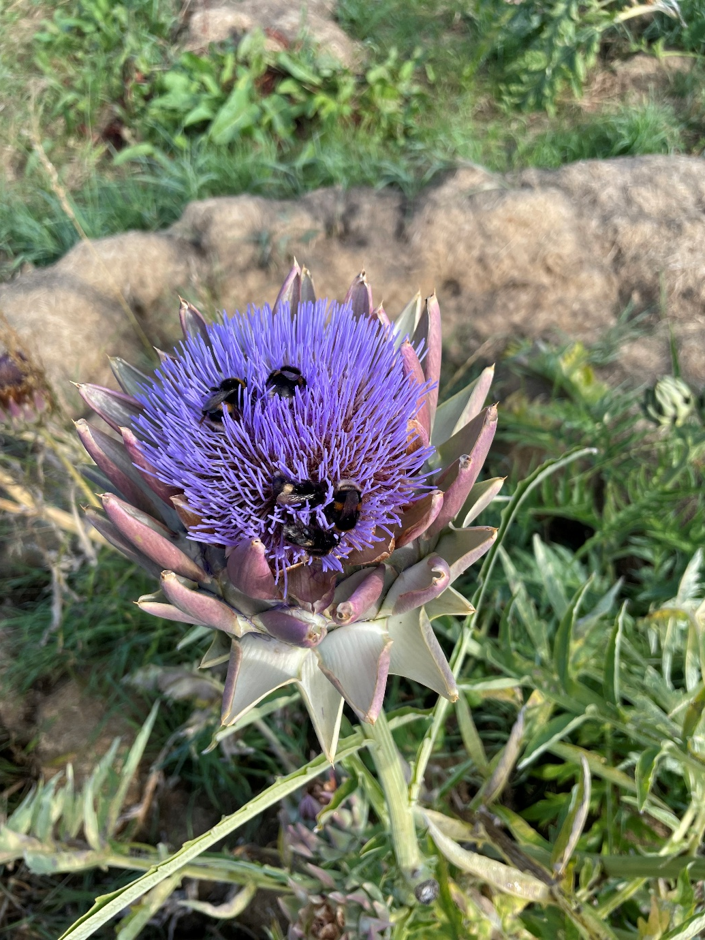
    This year I grew Jerusalem and Globe Artichokes to attract more bees, cook the flower heads (definitely and acquired taste and one I will need to get used to), use the foliage for mulch (chop and drop) and most of all, gather seeds to get hundreds more on the property. These perennials punch well above their weight, are easy to grow, and require little in the maintenance department.

    Bumblebees, honeybees and native bees all enjoy the bounty that these produce. With that said, I would like to believe that the bumblebees enjoy a good scratch from the delightfully blue artichoke needles.

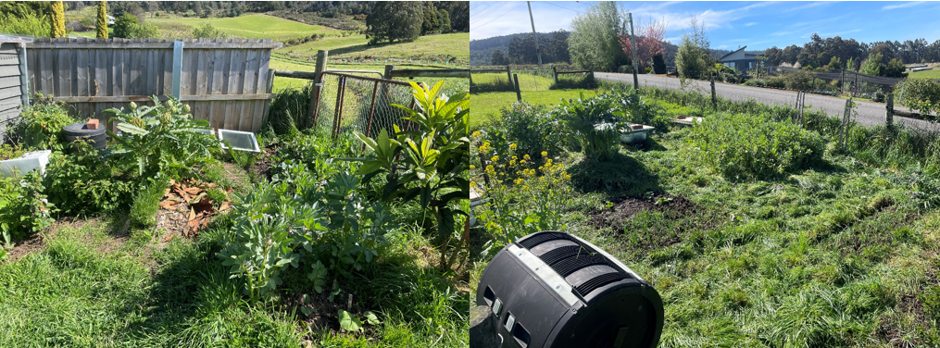
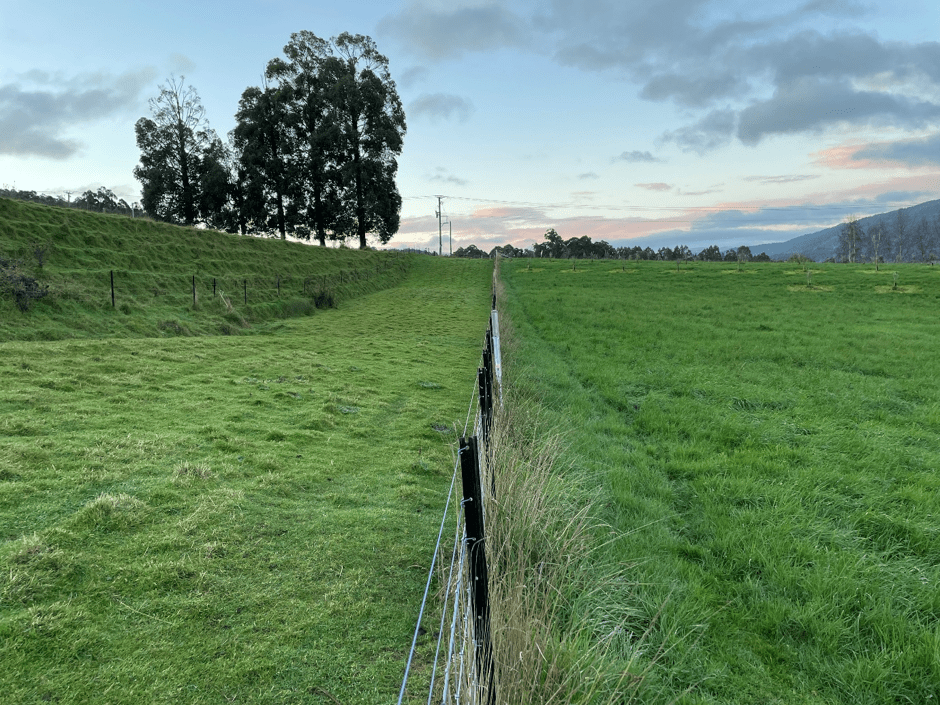
    The difference a fence makes. To the left is the well eaten 10m native corridor (I will be planting natives eventually) where all the marsupials gather to eat, shit and…, to the right, my well-mulched, nutrient-rich paddocks. While expensive, fences are a much needed tool so the farm can grow without terrible disruption.

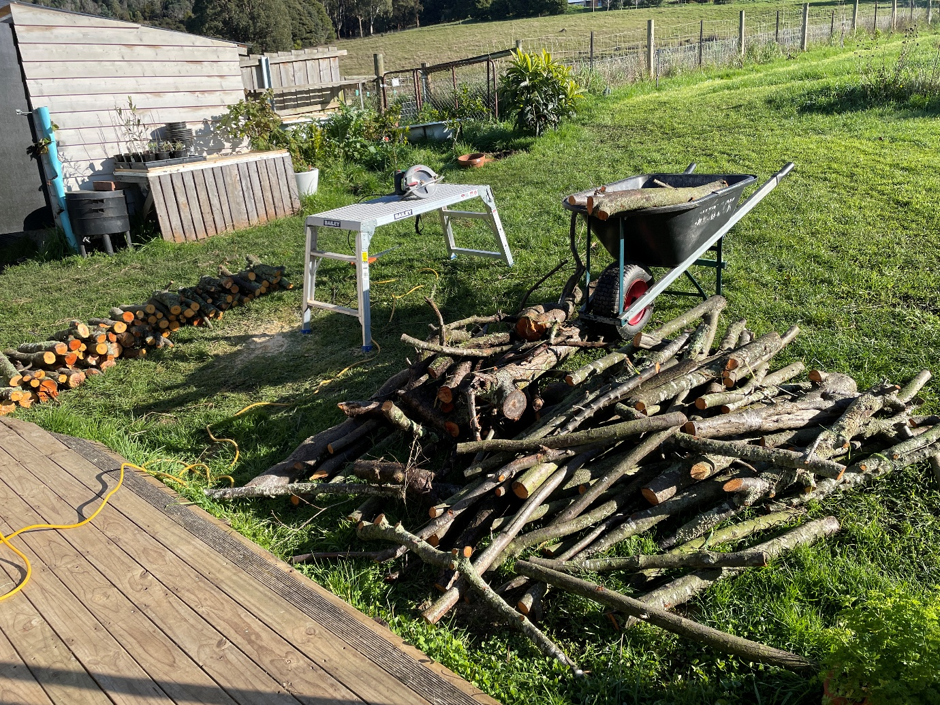
    Never one to waste any sort of firewood, these hardwood offcuts from three well fed and overgrown plum trees will provide lovely smelling burning wood after a few years.

  • Why farming small is important!

    Welcome to Franklin Grange!

    For a little over a year now, farming has appropriated all my available time removed from work, and I love it!

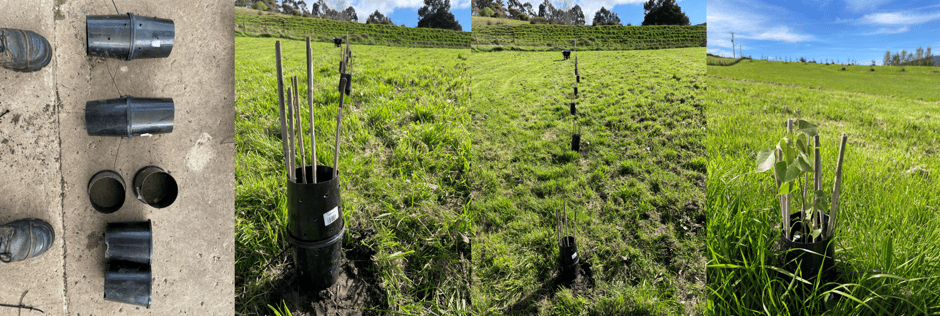
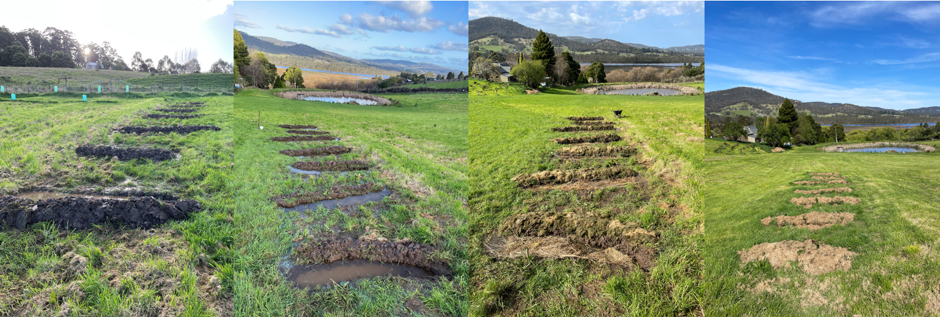
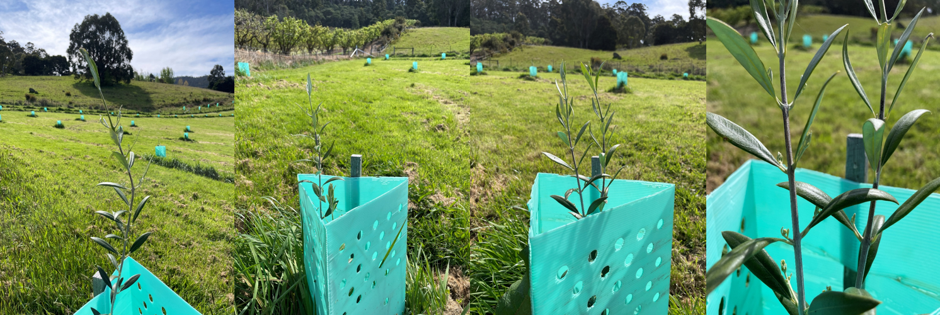
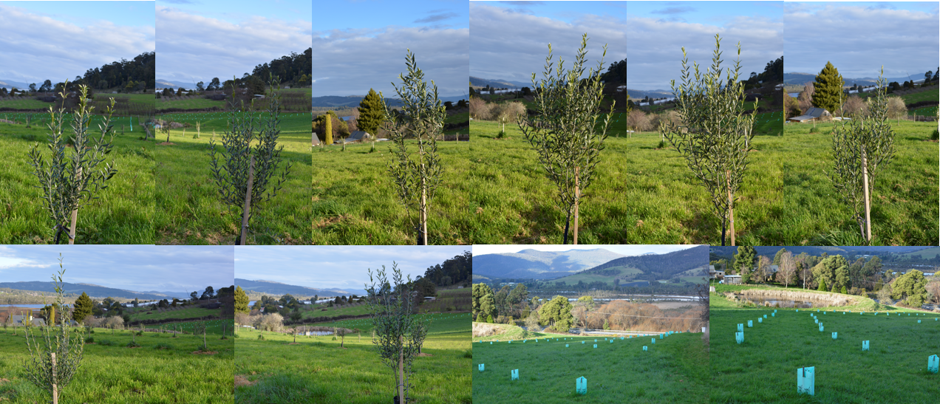
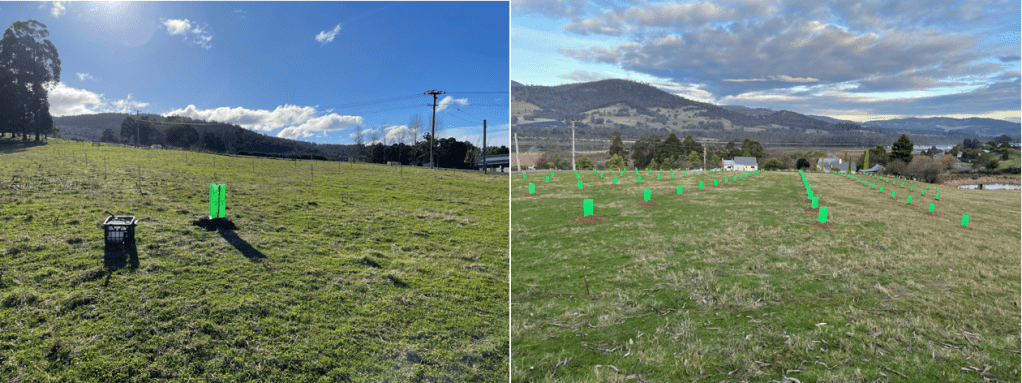
    Figure 1: From one to over a hundred! Making a bare patch of grass productive.

    Fresh air, soil, flora, and fauna; rain-soaked paddocks full of lush green grass makes one feel at one with nature, with the real ability to disconnect from the world. The farm is small, a blank canvas and one which has been neglected for decades.

    Franklin Grange used to be an orchard, full of an enticing array of apple varieties before the industry went belly up, with landholders tearing these beautiful apple trees from the ground in favour of grass and open plains for livestock. For the next couple of decades, it was either cows eating the grass or extraction as feed in winter.

    Franklin Grange is located adjacent to the mighty Huon River in Tasmania, Australia. The Huon River meanders its way slowly through the landscape, providing food and shelter for its inhabitants and recreation purposes for the human inhabitants.

    The surrounding farmland has rich, clay loam soils courtesy of the dolerite intrusions from the Jurassic era. These soils grow some of the best produce in the world, from stone fruits, berries, apples, and eventually Franklin Grange olives.

    The water is clean, as is the air; rainfall is ample (>750mm PA) and consistent; the climate, never uncomfortable for too long (i.e., days in summer rarely top over 30°C). 

    Land parcels are small, ranging from 1 acre to around 50. Folks here are laid-back; local eateries are numerous – as is produce. The backdrop of snow-covered mountains and the vibrant nature, entice even the most inactive people outdoors chasing a bounty of experiences from hiking, bird-watching, rafting, sailing, rowing; you name it, there is an outlet here for any overwhelmed, overstimulated or burnt out city folk to disconnect. 

    As for Franklin Grange, the growth phase has begun!

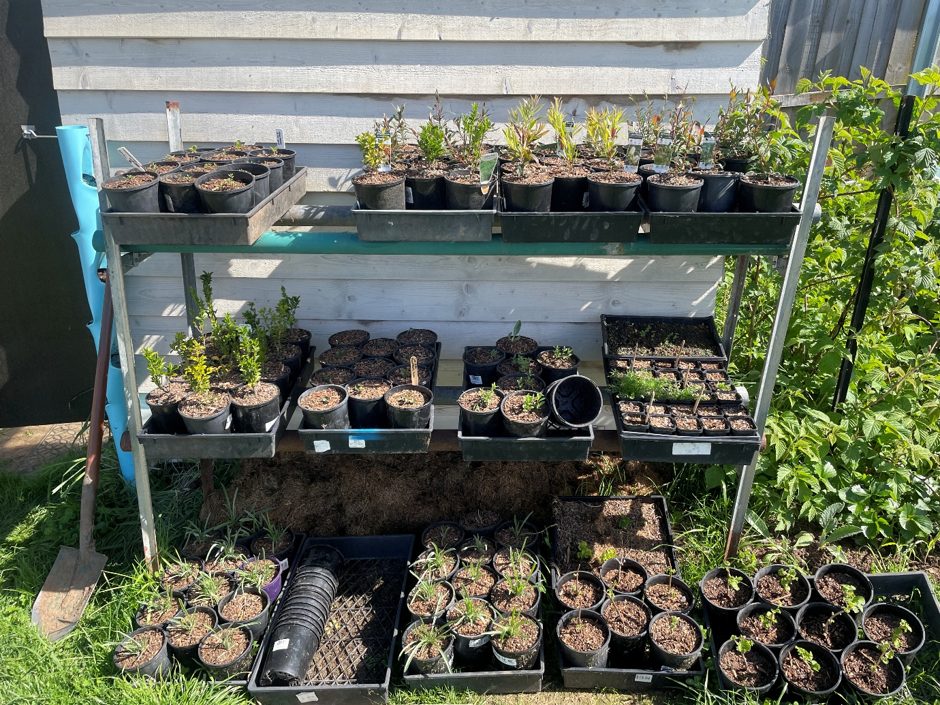
    The first year has passed and what a ride it was! We have planted a whole heap on this small eight-acre parcel with more to come! These are the highlights so far:

    • >100 olive trees planted and protected with more to come. Primarily, these will be used for the extraction of olive oil, with the by-products for other uses (more detail below)
    • >100-native trees planted for ongoing biodiversity and habitat creation for birds, insects, and marsupials to call home. 
    • ⁓10 nut trees (black walnut, chestnut, hazelnut, and almond) selectively planted. These will provide nuts, habitat, lumber, protection, and beauty.
    • >50 different fruit trees and vines (we got to eat!). 
    • Perennial vegetable garden (rhubarb, artichoke, asparagus). 

    These are all in the experimentation phase and will be expanded or contracted based off their adaption to the property and the evolving seasons.

    Throughout the second year and into the third, the planting of trees, creation of habitat and encroaching biodiversity will be prioritised. Beneficial organisms and symbiotic relationships will hopefully be a direct result of these actions. 

    Attracting these inhabitants should mitigate populations of pests – this has happened, with lady beetles feasting on aphids, helping young olive trees grow. 

    The planning and planting of today will reap future rewards.

    Figure 2: From one to over a hundred! Making a bare patch of grass productive.

    For instance, olive trees take between three to ten-years to reach full maturity and produce the yield necessary to produce olive oil for a profitable future. While eight-acres is small, the carrying capacity (areas suitable for growing olive trees) will be in the vicinity of 300 to 350-olive trees. This goal should be reached no later than spring 2027.

    Why olive trees and the associated oils? 

    This was a long-term goal with multiple income options (olive oil and products, potential to use the waste for things such as biodiesel and have a closed-loop system, trees appreciate as they mature and these can be dug out of the ground and sold to well-heeled members of society). 

    Plus, olive trees are well-suited to the soil, have the desired ‘chill’ factor (i.e., cold winters), have ample water access and a Mediterranean-style climate.

    That is the story so far for Franklin Grange. But why is farming small so important?

    There are several reasons for this:

    • Planning and the ongoing management of a small farm requires a family to run, usually part-time (plus part-time, off farm work), and this entices more people into the community with a long-term focus – away from the transient nature of keeping a property and flipping it for profit.
    • When more committed families move to an area, there is confidence for small business to set up cafes, butchers, restaurants, fruit, and vegetable shops, etc. with a guaranteed supply of produce within 25km of the area, produce is of the highest quality; bartering plays a part in the local economy.
    • Small farms promote biodiversity, provide improved, possibly superior, land management (moving from passive to active), are bespoke with what they produce, use heirloom varieties of plants and animals, and will give anything a go if there is a way to value add.
    • Small communities of farmers will form co-operatives and sell direct to the public; hence, maintain a greater foothold in the community, outgun the major suppliers through a bulk discount system, CSA, or community-supported barter network.
    • There is diversity of employment with multiple opportunities for people to stay in the local area: staggered picking times for fruit, animals which need maintenance/slaughter, produce requiring value-adding, etc. Everyone benefits from the carpenter, to the school teacher, local council, and so on.

    I have been waiting more than a decade to get my block of dirt and have never been happier. After planting so many trees and usually exhausted, the experience is yet to grow old. 

    Nothing brings more joy than watching those first buds spring from the branches of fruit trees, or watching as little flowers spring from olive branches to say “Hello!” 

    Every day brings something special when working on a small property.

    Now you have read my story, why not make the move to purchase your own acreage/homestead, and farm a small block to make you not only happy, but profitable as well.