
Welcome to Franklin Grange!
For a little over a year now, farming has appropriated all my available time removed from work, and I love it!
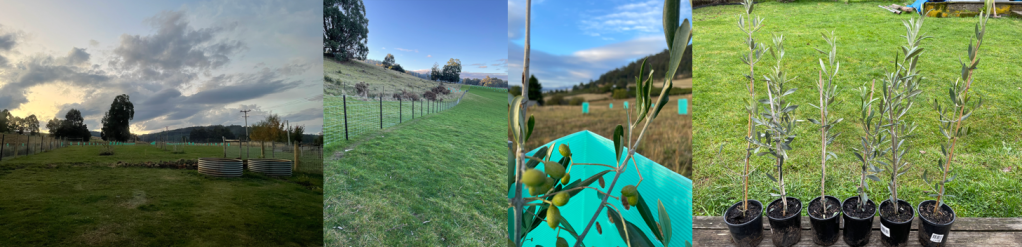
Figure 1: From one to over a hundred! Making a bare patch of grass productive.
Fresh air, soil, flora, and fauna; rain-soaked paddocks full of lush green grass makes one feel at one with nature, with the real ability to disconnect from the world. The farm is small, a blank canvas and one which has been neglected for decades.
Franklin Grange used to be an orchard, full of an enticing array of apple varieties before the industry went belly up, with landholders tearing these beautiful apple trees from the ground in favour of grass and open plains for livestock. For the next couple of decades, it was either cows eating the grass or extraction as feed in winter.
Franklin Grange is located adjacent to the mighty Huon River in Tasmania, Australia. The Huon River meanders its way slowly through the landscape, providing food and shelter for its inhabitants and recreation purposes for the human inhabitants.
The surrounding farmland has rich, clay loam soils courtesy of the dolerite intrusions from the Jurassic era. These soils grow some of the best produce in the world, from stone fruits, berries, apples, and eventually Franklin Grange olives.
The water is clean, as is the air; rainfall is ample (>750mm PA) and consistent; the climate, never uncomfortable for too long (i.e., days in summer rarely top over 30°C).
Land parcels are small, ranging from 1 acre to around 50. Folks here are laid-back; local eateries are numerous – as is produce. The backdrop of snow-covered mountains and the vibrant nature, entice even the most inactive people outdoors chasing a bounty of experiences from hiking, bird-watching, rafting, sailing, rowing; you name it, there is an outlet here for any overwhelmed, overstimulated or burnt out city folk to disconnect.
As for Franklin Grange, the growth phase has begun!
The first year has passed and what a ride it was! We have planted a whole heap on this small eight-acre parcel with more to come! These are the highlights so far:
- >100 olive trees planted and protected with more to come. Primarily, these will be used for the extraction of olive oil, with the by-products for other uses (more detail below)
- >100-native trees planted for ongoing biodiversity and habitat creation for birds, insects, and marsupials to call home.
- ⁓10 nut trees (black walnut, chestnut, hazelnut, and almond) selectively planted. These will provide nuts, habitat, lumber, protection, and beauty.
- >50 different fruit trees and vines (we got to eat!).
- Perennial vegetable garden (rhubarb, artichoke, asparagus).
These are all in the experimentation phase and will be expanded or contracted based off their adaption to the property and the evolving seasons.
Throughout the second year and into the third, the planting of trees, creation of habitat and encroaching biodiversity will be prioritised. Beneficial organisms and symbiotic relationships will hopefully be a direct result of these actions.
Attracting these inhabitants should mitigate populations of pests – this has happened, with lady beetles feasting on aphids, helping young olive trees grow.
The planning and planting of today will reap future rewards.
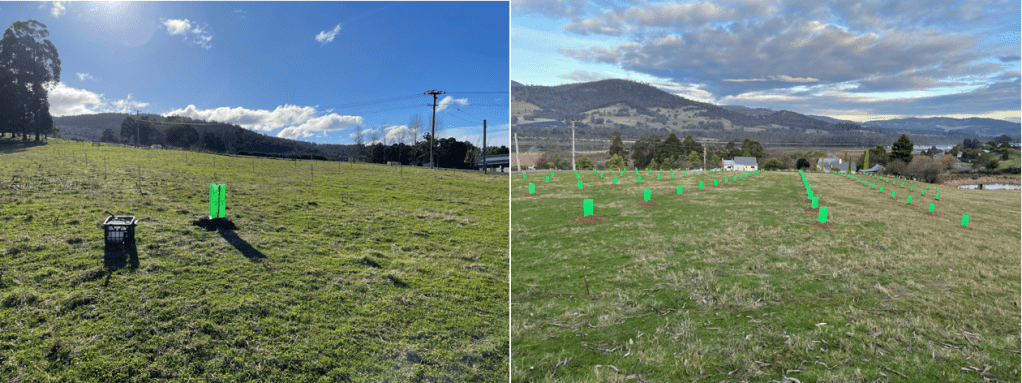
Figure 2: From one to over a hundred! Making a bare patch of grass productive.
For instance, olive trees take between three to ten-years to reach full maturity and produce the yield necessary to produce olive oil for a profitable future. While eight-acres is small, the carrying capacity (areas suitable for growing olive trees) will be in the vicinity of 300 to 350-olive trees. This goal should be reached no later than spring 2027.
Why olive trees and the associated oils?
This was a long-term goal with multiple income options (olive oil and products, potential to use the waste for things such as biodiesel and have a closed-loop system, trees appreciate as they mature and these can be dug out of the ground and sold to well-heeled members of society).
Plus, olive trees are well-suited to the soil, have the desired ‘chill’ factor (i.e., cold winters), have ample water access and a Mediterranean-style climate.
That is the story so far for Franklin Grange. But why is farming small so important?
There are several reasons for this:
- Planning and the ongoing management of a small farm requires a family to run, usually part-time (plus part-time, off farm work), and this entices more people into the community with a long-term focus – away from the transient nature of keeping a property and flipping it for profit.
- When more committed families move to an area, there is confidence for small business to set up cafes, butchers, restaurants, fruit, and vegetable shops, etc. with a guaranteed supply of produce within 25km of the area, produce is of the highest quality; bartering plays a part in the local economy.
- Small farms promote biodiversity, provide improved, possibly superior, land management (moving from passive to active), are bespoke with what they produce, use heirloom varieties of plants and animals, and will give anything a go if there is a way to value add.
- Small communities of farmers will form co-operatives and sell direct to the public; hence, maintain a greater foothold in the community, outgun the major suppliers through a bulk discount system, CSA, or community-supported barter network.
- There is diversity of employment with multiple opportunities for people to stay in the local area: staggered picking times for fruit, animals which need maintenance/slaughter, produce requiring value-adding, etc. Everyone benefits from the carpenter, to the school teacher, local council, and so on.
I have been waiting more than a decade to get my block of dirt and have never been happier. After planting so many trees and usually exhausted, the experience is yet to grow old.
Nothing brings more joy than watching those first buds spring from the branches of fruit trees, or watching as little flowers spring from olive branches to say “Hello!”
Every day brings something special when working on a small property.
Now you have read my story, why not make the move to purchase your own acreage/homestead, and farm a small block to make you not only happy, but profitable as well.
 Franklin Grange
Leave a comment